
Fashion as Coded Resistance
From Freedom Quilts to Revolutionary Style
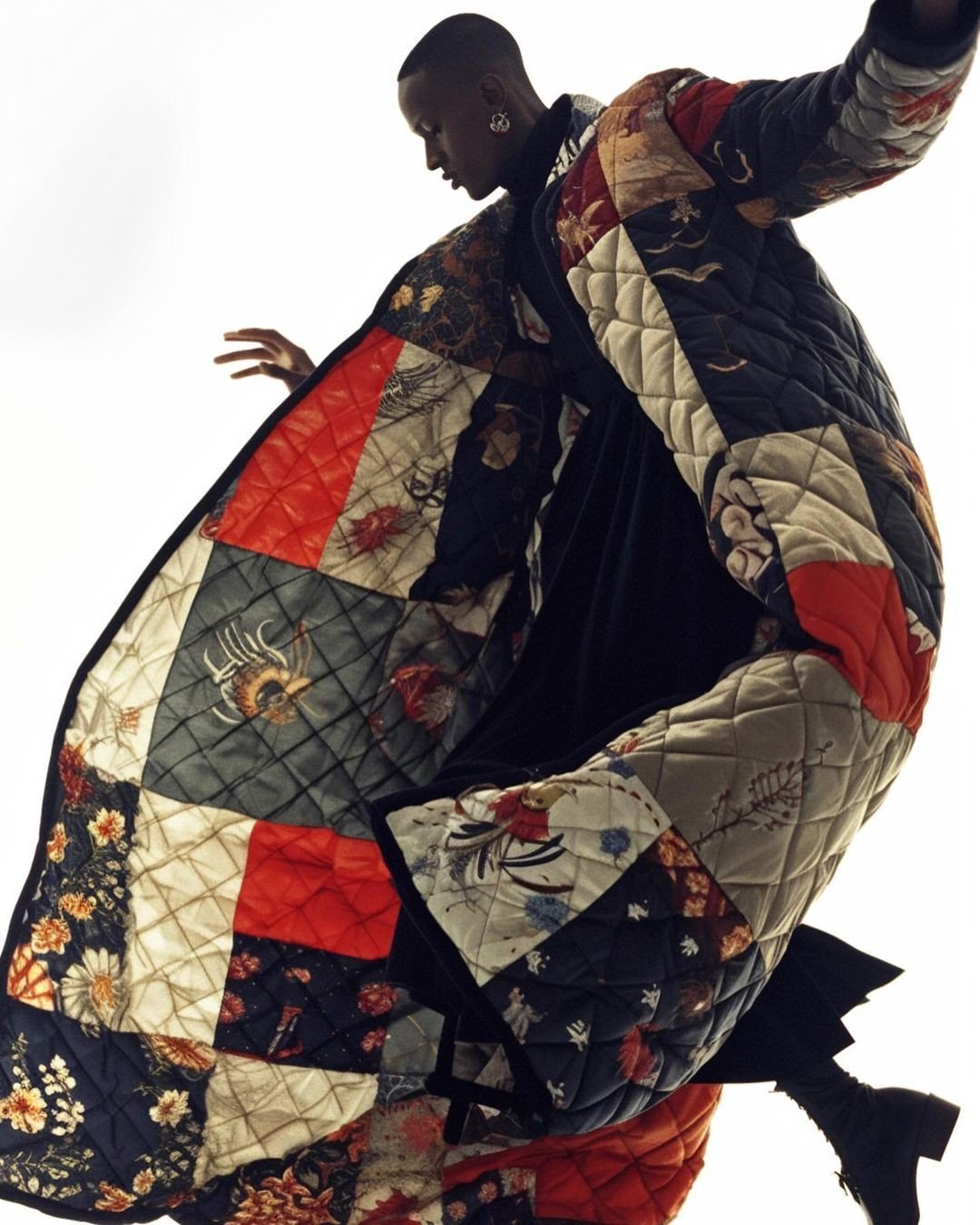
A patchwork quilted coat turns the history of freedom quilts into living armor, wrapping the body in a moving code of resistance. / @x.machina.flora on IG
Throughout history, clothing has transcended its basic function of covering bodies to become a powerful language of resistance within oppressive structures. The parallel between freedom quilts during the Underground Railroad era and contemporary fashion highlights a truth: marginalized groups consistently transform aesthetic choices into vehicles for subtle—or boldly overt—rebellion against dominant systems.
Freedom quilts contained hidden maps and messages, guiding enslaved people toward liberation while appearing as ordinary household items. Similarly, modern fashion creates spaces for resistance that often go undetected by casual observers. For those navigating restrictive societal expectations, in particular women and gender-nonconforming individuals, clothing choices can be sophisticated tools to seemingly conform on the surface whilst still challenging oppressive norms.
It's important to note here that I am in no way advocating for the dilution of the freedom of self-expression. This is for those of us who prefer subtlety to loudness. Both can coexist and neither need negate the others' validity.
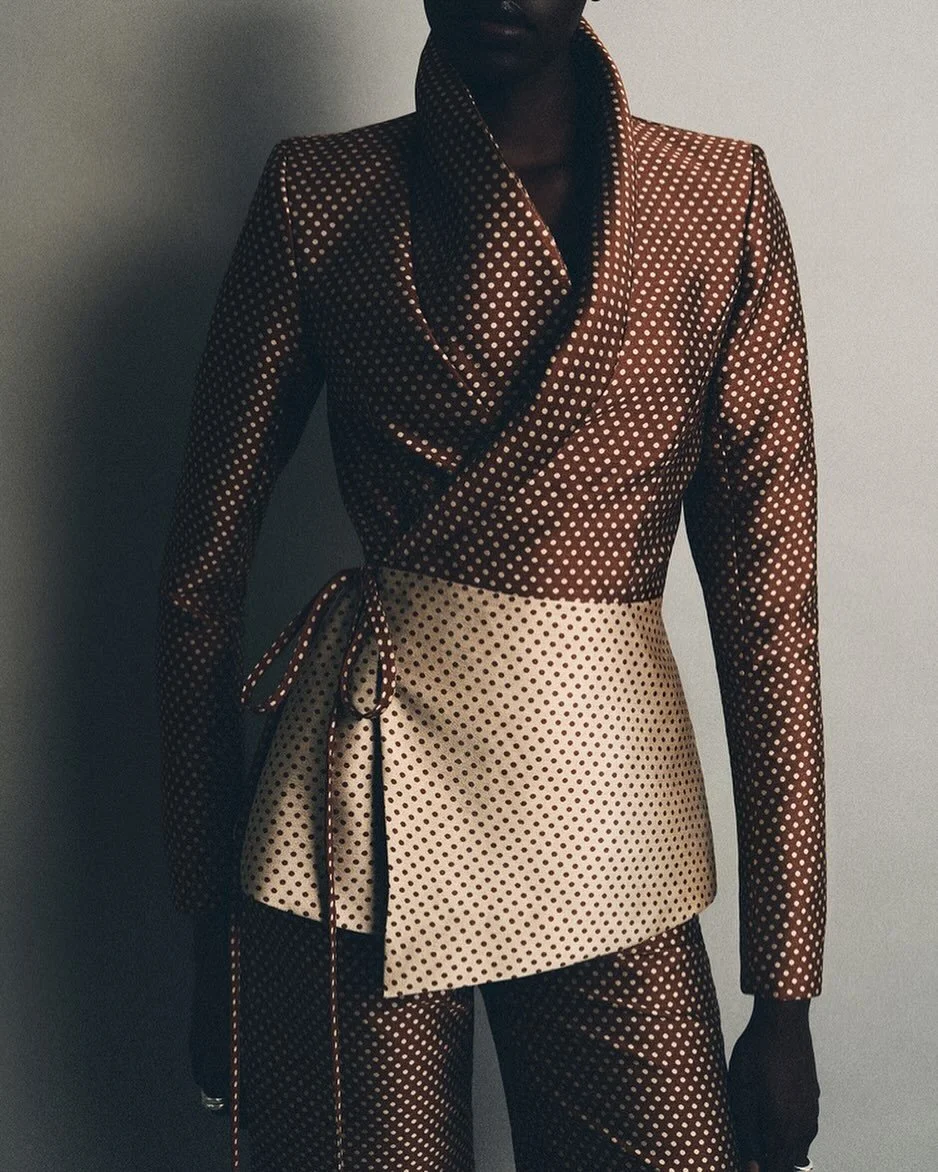
Sophisticated styling choices let wearers appear compliant while quietly resisting the norms that seek to contain them. / @rosie_assoulin on IG, pre-Fall 2025
The true power of fashion resistance lies in its layered meanings. When someone deliberately clashes patterns or creates unexpected combinations, they’re visually disrupting established conventions. These choices aren't random expressions, but carefully constructed responses to systems designed to contain and control. By selecting garments with the understanding of their historical context or cultural significance, wearers participate in symbolic resistance, knowing the code while those enforcing oppression remain oblivious to its subversive nature.
This coded rebellion manifests most powerfully when marginalized people reclaim symbols once used against them, transforming these elements into emblems of empowerment. Freedom quilts enabled movement within a system designed to prevent it. Both the quilts and our coded styling choices represent tactical creativity.
The task is to get dressed. The tactic: to carve out space for dignity and self-determination with a silent nod to our community + true identity. This is a double-edged sword because what we choose to signal is received by some, and missed by many, relegating them to the role of those who frankly just don't get it, and aren't meant to. It's a way to take back power in spaces where you feel more restricted than you'd prefer.
Consider the micro shorts phenomenon: Garments so brief they challenge conventional notions of modesty while inevitably drawing attention. Their rebellious nature lies precisely in how they force society to confront its discomfort with bodies that refuse containment. Similarly, vibrant, patterned socks and bowties in corporate environments represent small yet visible rejections of the expectation that professionalism requires complete suppression of individuality.
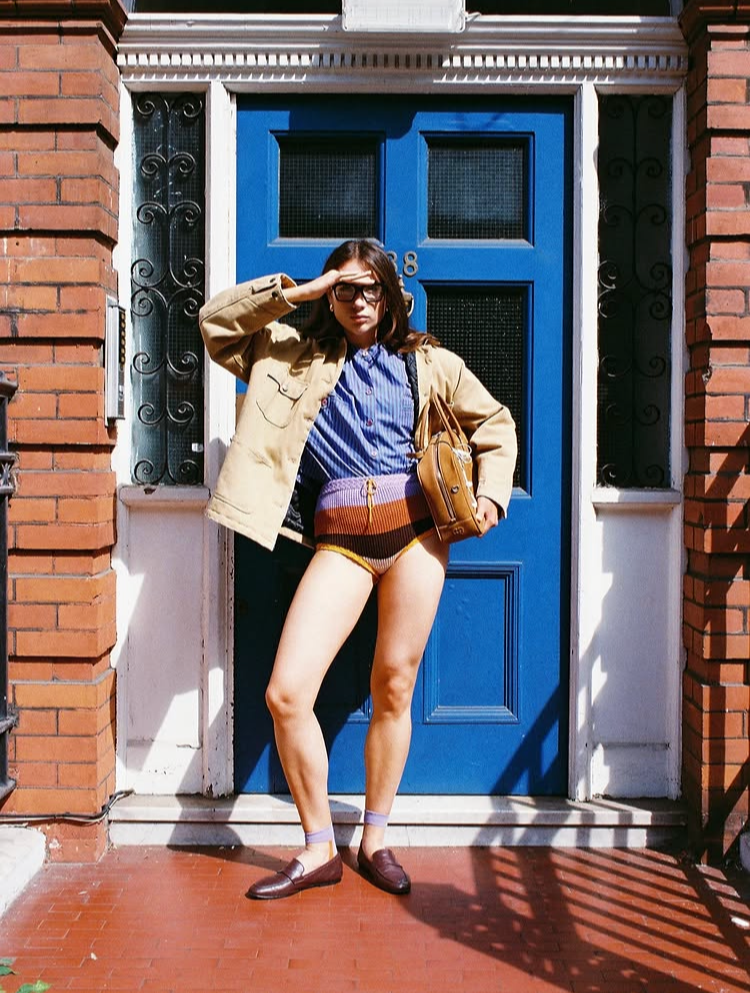
Micro shorts and underwear-as-outerwear force a confrontation with society’s discomfort around bodies that refuse tidy containment. / @katyaklema on IG
The underwear-as-outerwear trend—wearing bras as visible fashion elements—requires particular intentionality. When executed with authenticity and confidence, this styling choice transforms traditionally hidden garments of constraint into bold statements of agency. The practice demands creativity and conviction, as the line between revolutionary style and unsuccessful experimentation remains razor-thin.
Off-White's diagonal arrows take this reclamation further. Once corporate uniformity symbols, Virgil Abloh's black zip-tie tags and slanted text now signal insider status, and 2024 resale up 27% proves the code works. Like quilts hiding escape routes in plain sight, these markers let wearers navigate luxury systems while subverting them from within. The uninitiated see logos; the initiated recognize tactical disruption.
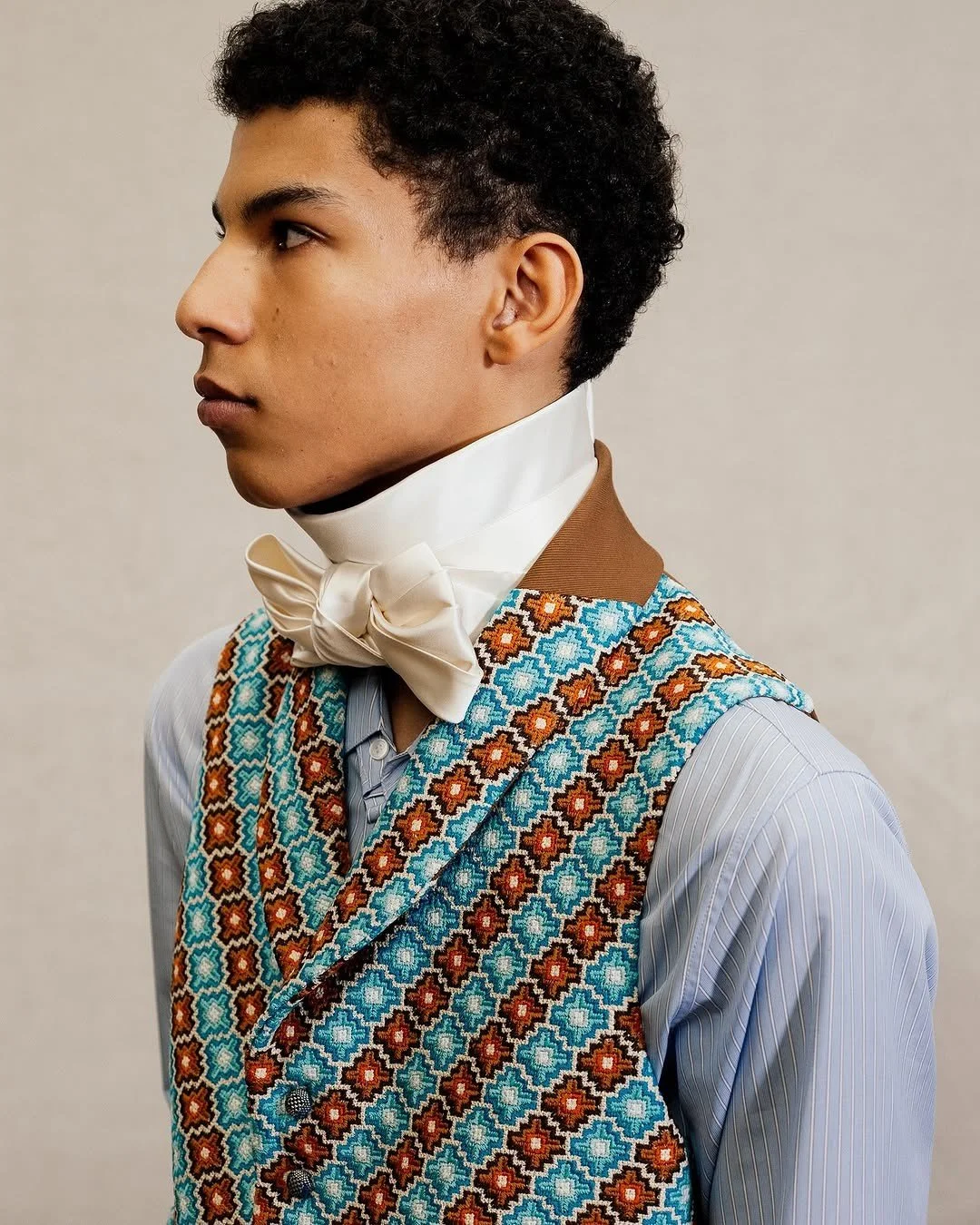
Patterned socks, playful bowties, and coded luxury logos act as small but deliberate glitches in the matrix of corporate uniformity. / @dior / @jonathan.anderson on IG
Even seemingly playful choices like mismatched shoes carry profound implications. This daring practice not only challenges aesthetic conventions but potentially risks physical comfort or safety. The successful execution requires strategic planning and technical understanding—balancing heel heights and ergonomics while making a visual statement. When done thoughtfully, such choices embody the essence of resistance fashion: calculated risk-taking that subverts expectations while maintaining functionality.
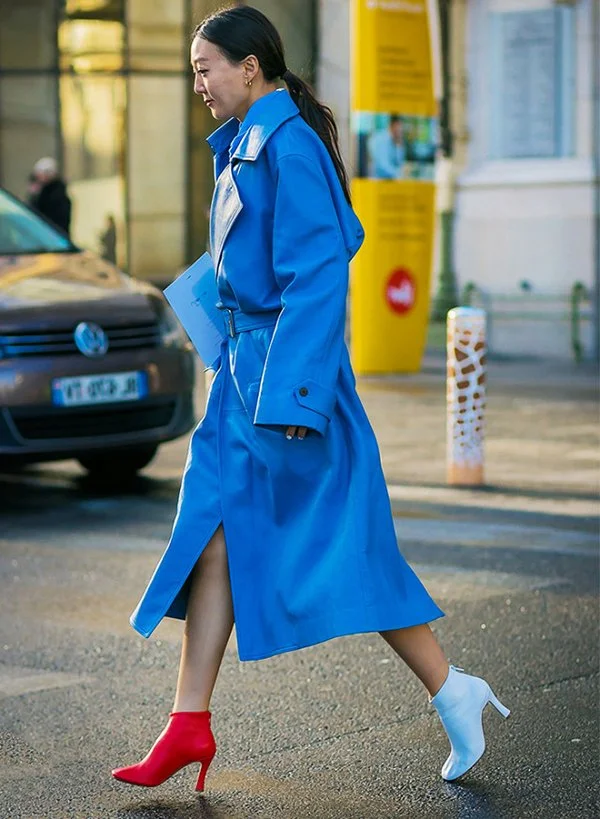
Even mismatched shoes can become strategic resistance, balancing aesthetics, function, and the choice to be understood only by those meant to see the code. / @imaxtree on IG
Fashion, therefore, functions as more than aesthetic preference; it serves as a blueprint for resistance that allows wearers to exist within oppressive structures while subtly undermining them. Fashion isn't just dressed rebellion—it's tactical genius, stitching liberation into every deliberate stitch.
Your publication/brand has a code too.
If you’re ready to decipher your brand's hidden language:
Take my 3-minute questionnaire to decode what's working—and what needs subversion.