
The Glitter Tears Pipeline
Subculture to Sephora Sellouts
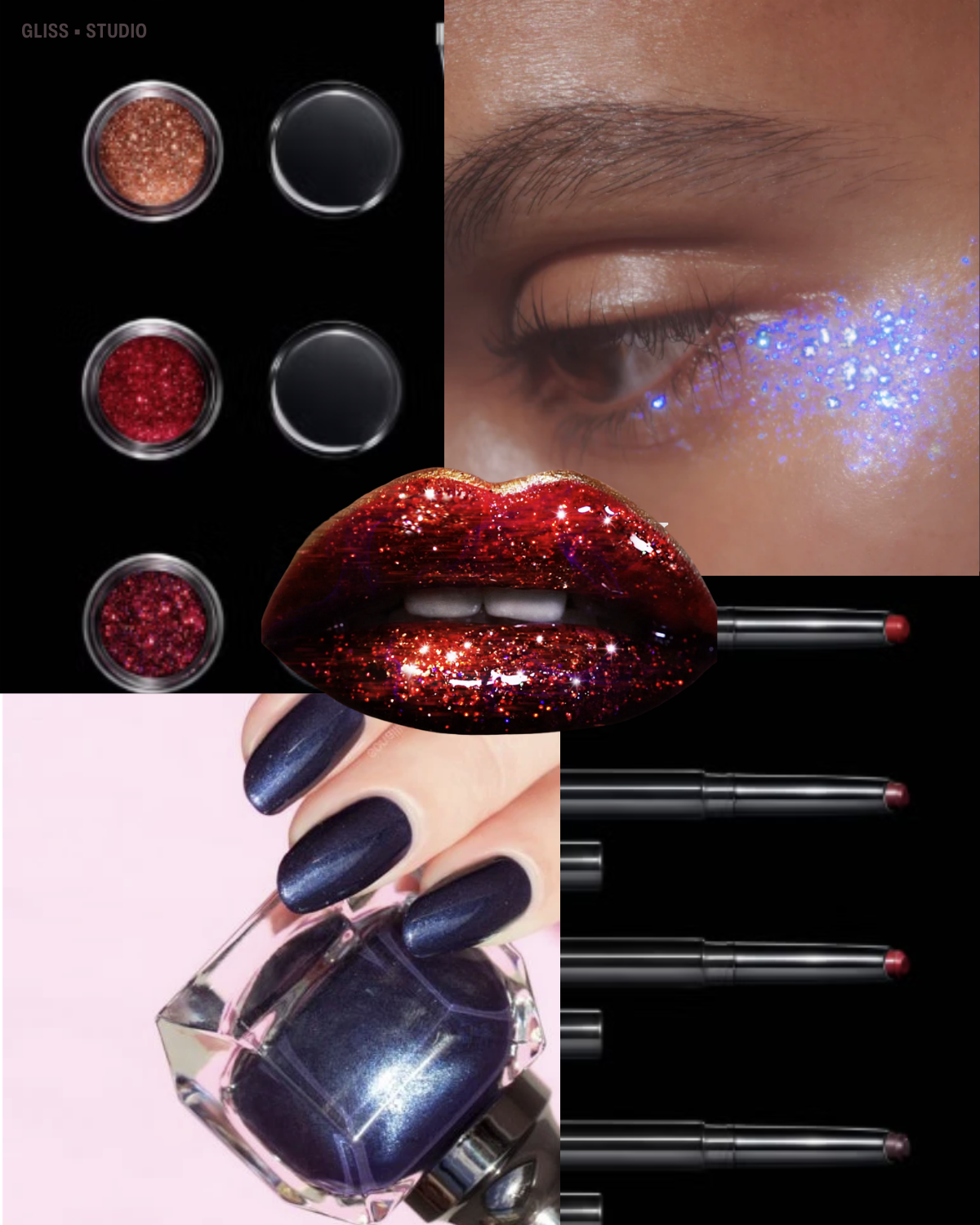
Glitter tears: from queer manifesto to Sephora shelves.
Rebellion remixed, six shades at a time. / gliss•studio / Pat McGrath Labs / Louboutin Beauty
I noticed something specific when Euphoria's glitter tears jumped from screen to street.
Queer goths adopted glitter tears first—not as a trend, but a visual manifesto. They don't just follow conviction; they embody it.
The glitter tears functioned as a visual declaration of conviction. But here's where it gets interesting—and messy.
The Remarketing of Rebellion
Lemonhead LA saw a 600% sales increase after their glitter appeared on the show. Major cosmetics brands from Stila to NYX launched "Euphoria-inspired" collections. When consumers rushed to shops, 95% of eyeliners and eyeshadows resembling Euphoria's colors sold out.
Industry calls this success. I call it extraction.
Glitter has been selling for a while. Lemonhead LA didn't invent it—they repositioned it. The real cultural markers for glitter as queer visual language? David Bowie, Donna Summer, Freddie Mercury.
Bowie as Ziggy Stardust—in heels and feathers, eyebrows shaved, lip-sticked and glittered—redesigned the dominant model of queer identity. He became the avatar for queer sexuality as something rebellious, desirable, and powerful.
The glam rock scene of early 1970s London featured numerous openly bisexual musicians. Glitter was their visual vocabulary.
So Euphoria didn't create new rebellion. It reintroduced decades-old queer iconography to Gen Z, applied it to teen angst and addiction, and made it current for the most recent crop of young adults.
The Connection Infrastructure Problem
Here's what the industry misses: Trends function differently for Gen Z than they did for millennials.
Millennials had connection and trends before the internet and social media. We built relationships in physical spaces, then brought them online.
Gen Z uses trends as connection infrastructure itself.
They devote more time to social media platforms than any other generation. This renders them more susceptible to online advertisements and influencer marketing. Around 83% of Gen Z women bought beauty products online because content creators recommended them.
The pace of makeup trends accelerates faster than ever before. The result? A fervent audience that follows suit to unzip their wallets.
Makeup items work particularly well for this exploitation because they're "affordable luxury" at accessible price points. Plus they're disposable.
The most common monthly online expenditure for beauty among Gen Z ranges from $51 to $100. That's disposable income spent on connection, not just cosmetics.
The Mechanics of Exploitation
The beauty industry weaponizes Gen Z's need for connection through a specific mechanism: capitalizing on show popularity and remarketing exact looks to the crowd that will immediately recognize them.
Euphoria's makeup artist Doniella Davy drew inspiration from real-life Gen Z teens, social media, 1960s supermodels like Twiggy, and 1970s glam rock trends.
Then the show marketed those looks back to Gen Z.
This circular loop—Gen Z inspiring the show that then sells back to Gen Z—illustrates the commercialization paradox perfectly.
Lemonhead LA released a limited edition Euphoric Glitter Paste Squad Set that quickly became back-ordered. Their official Euphoric Glitter Pro-Squad now features six shades worn by or inspired by the show's characters.
The look thrives in the fast-paced nature of digital connectivity. Ideas spread and get interpreted in new ways quickly. New standards spread like wildfire as old norms get dismantled at speed.
What Euphoria Actually Did
The show centers queer identity. Zendaya's character falls in love with her best friend, a transgender girl. Other themes around gender expression and sexual orientation weave throughout the narrative.
This isn't cultural erasure.
But it's not pure cultural appreciation either.
Euphoria granted permission for more people to wear makeup in non-feminine ways, outside the "norm." Through the show, makeup became art, a form of beautiful expression.
Gen Z uses makeup as a creative tool in redefining beauty—playing with and challenging gender identities and representation. Davy observed: "Gen Z is completely redefining what makeup can and should be used to do, by embracing a total freedom in expression and defying beauty and makeup norms."
The show explores different looks that perhaps granted permission for broader adoption. Makeup on Euphoria was used "in an emotionally evocative, expressive way, to help show the journey of the teens on the show."
The Standards Question
Here's what I watch for: the difference between trend exploitation and genuine cultural participation.
When major brands launched their Euphoria collections, what were they actually selling? The look? The identity? Something else entirely?
Two-fifths of Gen Z (41.7%) say they mix trends with their personal style. Another 27.9% claim to create their own unique look, regardless of trends.
This suggests agency and creativity.
But the beauty sector grew 7% annually from 2022 to 2024, fueled by what the industry calls "a seemingly insatiable appetite for newness." The Euphoria glitter phenomenon occurred within this larger economic landscape where beauty transformed into a serious economic force attracting top-tier financiers and A-list celebrities.
The glitter tears became cultural currency because they operated on multiple levels simultaneously: historical queer iconography, teen identity construction, affordable self-expression, and connection infrastructure for a digitally native generation.
Brands that recognize makeup trends as predictive cultural data rather than superficial moments position themselves differently in the market.
The ones that don't? They're just selling glitter.
Gen Z always knows the difference.
Extraction sells glitter. Understanding sells loyalty.
Take my 3-minute questionnaire to decode cultural currents—before they become Sephora sellouts.