
Glitter as Rebellion
Sparkle as Identity, Protest, and (often) Toxicity
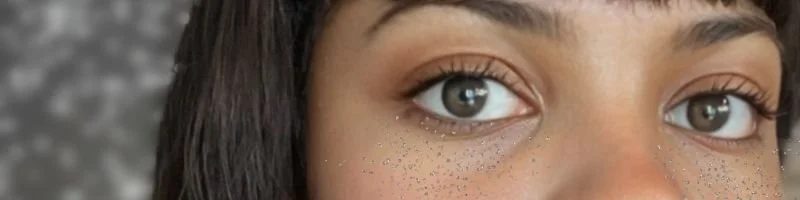
Tears that demand to be seen.
Glitter as the ultimate refusal to fade. / gliss•studio
Glitter functions as a multi-layered symbolic element in several key ways. It serves as protest against cultural sameness and minimalism, creating visual distinction that demands attention rather than blending in. What makes glitter tear makeup significant in the fashion landscape is its inherent rebellion against conservative makeup norms. The style projects a distinctly rock and roll sensibility. It's daring, attention-commanding, and slightly unhinged. The aesthetic represents fashion's ongoing dialogue with counterculture, where elements of disorder become deliberately curated statements of artistic expression, or, more commonly in recent decades, as a trend to drive mass consumption of products.
Glitter tear (as in the tears you cry) makeup emerged as a distinctive trend on fashion runways around fall 2015, initially showcased by Chanel in December 2015 and subsequently adopted by other luxury brands like Burberry in January 2016. This aesthetic technique involves strategically placing glitter underneath the eyes in cascading formations that mimic tears, creating a dramatic visual effect. The Vogue Paris cover featuring Christie Turlington for the magazine's 95th anniversary celebration further popularized this unconventional makeup approach. Across these high-fashion contexts, the glitter tear aesthetic oscillates between whimsical beauty and deliberate dishevelment.
Chanel's interpretation particularly stands out for its conceptual depth, coding the "walk of shame" through intentionally smudged under-eye makeup. This subversive reference transformed a traditionally embarrassing morning-after appearance into high fashion, challenging conventional beauty standards.
Fast forward to 2025, and we find that the reflective quality of glitter operates as a deliberate choice to be bold and noticeable in spaces where subdued aesthetics might normally dominate. Within specific communities, particularly queer spaces, glitter carries additional significance as an emblem of identity expression and visibility. It goes without saying as well that there are connections drawn between glitter and the feminine. This gendered aspect adds another dimension to its use as a statement of boldness in spaces that punish women for simply existing as we are.
The genderfluid character Desire of the Endless from Netflix show "The Sandman" is seen wearing glitter tear makeup to Morpheus's wake, symbolizing emotional performativity rather than genuine sentiment, which is a visual metaphor reinforcing character traits established in both the show and source comics.
In “The Substance” (2025 Oscar winner), Margaret Qualley's neon pink glitter eyeshadow—applied post-body horror emergence—screams artificial femininity. It's painful to look at, denying natural aging while meeting current beauty standards. Director Coralie Fargeat weaponizes glitter as toxicity masquerading as empowerment, not celebration.
Why it Matters:
In today's political context, the use of glitter has emerged as a visual signifier and powerful identity marker, allowing individuals to telegraph their political affiliations without verbal declaration. Those identifying with far-left ideologies often embrace bold, unapologetic glitter displays, while conservative or right-leaning individuals might reject adornment entirely. Between these poles exists a nuanced middle ground, maybe more of a subtle shimmer, rather than an overt sparkle. It could indicate moderate political leanings, or deliberate ambiguity.
As an illuminating example, various Christian groups and churches across the US demonstrated their support for LGBTQIA+ rights through a powerful symbolic gesture. They mixed glitter with traditional ash before applying this 'glitter ash' to the foreheads of their guests. This creative protest responded directly to the reversal of Title IX protections for transgender public school students, which had previously secured their right to use bathrooms according to their chosen gender identities. In this case, the coding was a means by which safe spaces could be subtly declared.
This example reflects broader trends in political expression through personal presentation, where visual markers from clothing to cosmetics become extensions of ideological identity and virtue signaling. As polarization continues and political factions evolve, these symbolic distinctions could also change, creating increasingly sophisticated visual shorthand for complex political positions.
Beyond surface aesthetics and the question of sustainability ethics concerning the use of microplastics, its use in popular media positions glitter makeup as part of a broader visual language that communicates specific values: The rejection of subtlety, the embrace of visibility, and the expression of joy through deliberate visual choices. This framing suggests cosmetic choices operate as non-verbal communication about personal philosophy and cultural positioning.
Your brand's visual code matters too.
Take my 3-minute questionnaire to decode what you're communicating.